
China Ends 18-Month Imported Games Licensing Freeze, Approves 45 Foreign Titles Including Valorant and Pokémon Unite
It's a new dawn for gamers and publishers in China. The country's video game landscape, which had been in a state of suspended animation for over a year and a half, has finally received a significant thaw. In a move signaling a potential shift in regulatory posture, China's National Press and Publication Administration (NPPA) has officially granted publishing licenses for 45 imported video games. This action effectively ends an 18-month freeze on approvals for foreign titles, a period that had cast a long shadow over the world's largest gaming market. The green light for major titles like Tencent-published Valorant from Riot Games and Pokémon Unite from Nintendo marks a pivotal moment, suggesting that the regulatory crackdown that began in the summer of 2024 might be easing its grip.
The Big Thaw: What's Back on the Menu?
The list of approved games reads like a who's who of international hits finally getting their chance to officially serve the Chinese audience. The spotlight is firmly on two giants:
-
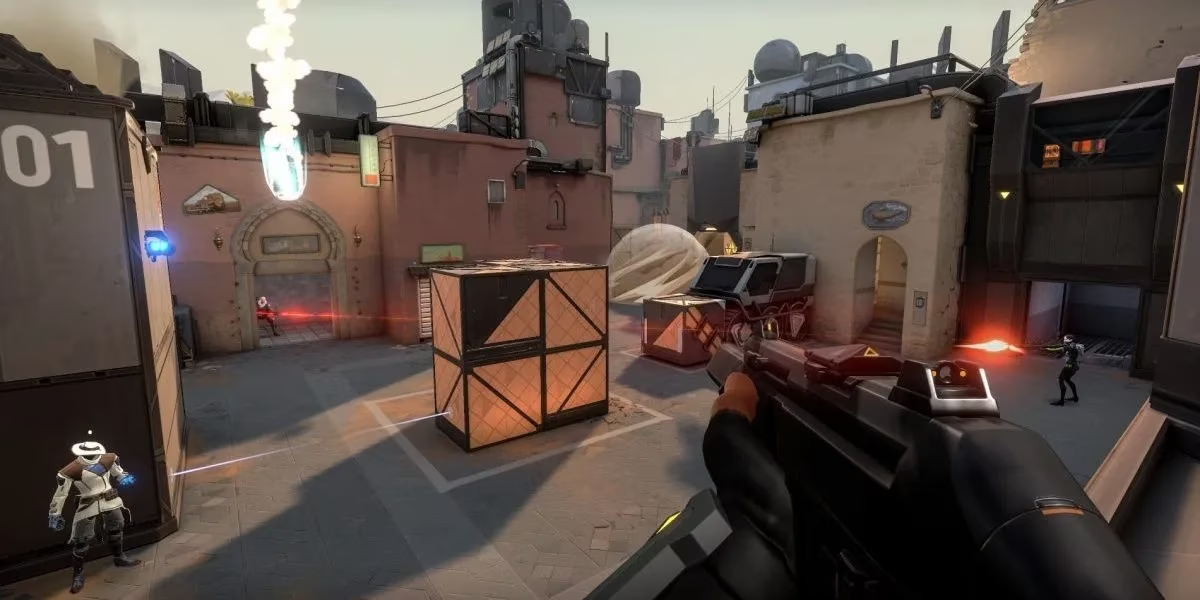
Valorant: Riot Games' tactical shooter, a global esports phenomenon, can now officially duel its way onto Chinese servers.
-
Pokémon Unite: Nintendo's team-based strategy game brings its iconic creatures into the fray.
But the feast isn't limited to these headliners. The approved batch is a diverse spread, including:
-
Gwent: The Witcher Card Game from CD Projekt Red
-
Don't Starve from Klei Entertainment
This move isn't happening in a vacuum. In the same breath, the regulator also dished out licenses for 84 domestic games for December 2025. It seems the authorities are trying to balance the scales, offering a little something for everyone. Talk about a holiday surprise!
Why the Freeze? And Why Now?
Let's rewind a bit. That 18-month freeze wasn't just a bureaucratic slowdown; it was a full-stop crackdown. The government hit the pause button on new game approvals, effectively putting the brakes on what was a red-hot, burgeoning industry. Many industry watchers saw it as a deliberate move to clip the wings of tech titans like Tencent and NetEase, whose empires were largely built on the back of gaming revenues. It was the government's way of saying, "Alright, time to cool off a bit."
The impact was profound. Major publishers, heavily reliant on the steady pipeline of new content, found themselves in a tough spot. They had to get creative, looking beyond China's borders for growth. Tencent, for instance, ramped up its overseas investments, like its stake in Ubisoft. As Tencent founder Pony Ma noted earlier in 2026, the company has had to adapt to this "new normal" of a stricter, slower approval process, expecting the total number of licenses to stay lower than the pre-freeze boom years.
The Domino Effect: Who Benefits?
This licensing thaw is more than just good news for players eager for new titles. It's a lifeline for the entire ecosystem.
For Global Publishers: It reopens the door to a massive, lucrative market. Getting an official license is the golden ticket, allowing for proper monetization, marketing, and server operations within China's strict legal framework.
For Chinese Tech Giants (Tencent/NetEase): These companies wear two hats. They develop their own games and act as crucial publishing partners for foreign studios wanting to enter China. The freeze had them stuck between a rock and a hard place. The resumption of imports means their publishing arms can get back to business, while the domestic licenses help their own studios.
For the Broader Industry: The December approvals list also included licenses for Chinese companies like ByteDance (yes, the TikTok maker), XD Inc., and iDreamSky. This suggests a regulatory environment that is cautiously reopening for business, not just for foreign imports but for homegrown talent as well. It's a signal that the industry, after a period of intense scrutiny, might be finding a new equilibrium.
What's Next? A Cautiously Optimistic Future
While the ice has broken, the waters are likely to remain carefully managed. The era of unchecked, rapid-fire approvals is probably over. Regulators are expected to maintain a more measured pace, focusing on content that aligns with national standards. The rivalry for the next big hit is also heating up. With Sony and Microsoft continuing to vie for a foothold in the market, everyone is on the lookout for the next cultural phenomenon like Genshin Impact.
The 2026 thaw is a welcome development, but it comes with a new understanding. The message is clear: the Chinese gaming market is open for business, but it's a business that will be conducted with clearer rules and a more watchful eye from the regulators. For players, though, the immediate takeaway is simple—get ready, because a fresh wave of games is finally coming to town. 🎮