
Shivre City Strategy Guide: Mastering Pokemon Unite's Compact Snowy Arena
Shivre City is not a stage that rewards patience. In Pokemon Unite's smallest Quick Match map, four players on each side are stuffed into a five-minute pressure cooker that often feels like a snow globe being rattled by someone late for an appointment. Teams that walk in without a plan usually leave with frostbite and zero structure.
Even in the 2026 queue, the map remains one of the best places to practice fast rotations, resource denial, and last-second scoring. The main goal is simple: keep the enemy goal zone warm while keeping their own goal frozen solid.
Layout And Core Mechanics
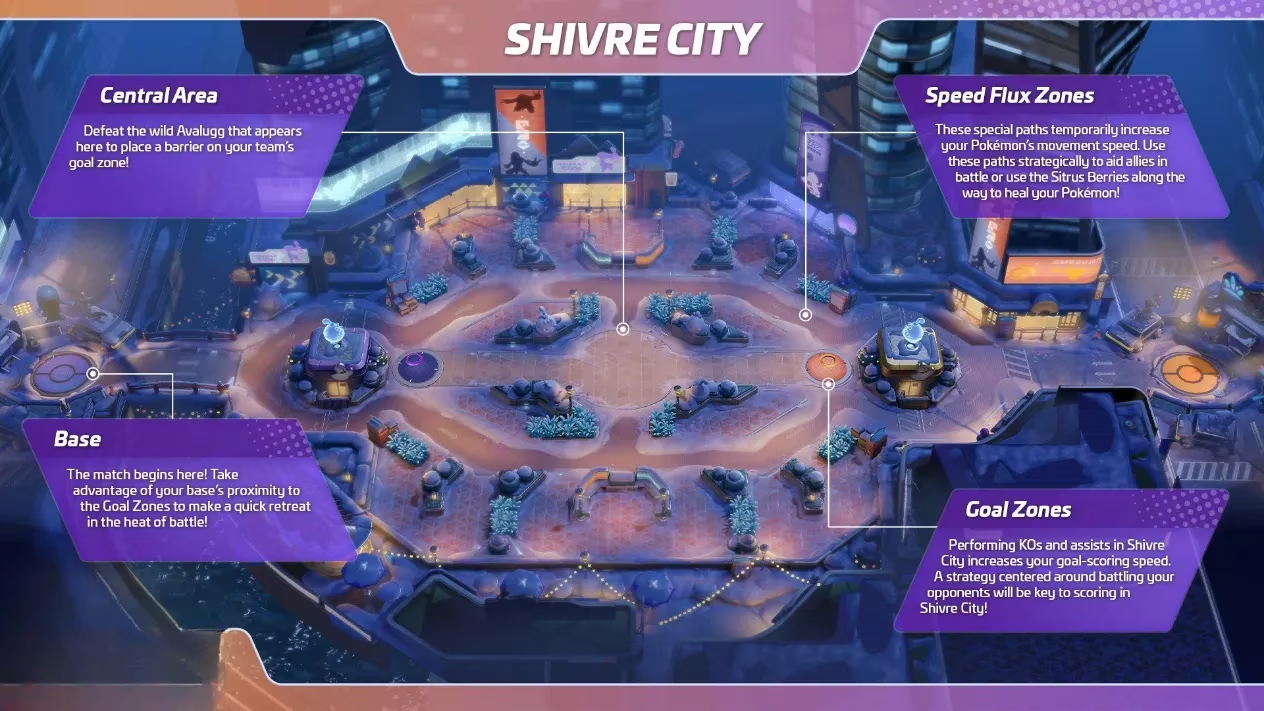
Matches last five minutes and feature a lean 4v4 setup. Shivre City has three main routes: the top path, bottom path, and central path. Each team defends only one Goal Zone, which sits just outside its base, and knocked-out players respawn there. Opponents cannot enter the base, and it provides the fastest healing on the map.
The top and bottom paths include Speed Flux Zones, which give every player a movement boost. These replace the Salac Berries and Jump Pads found on other maps, so positioning matters more than escape tools. Standing in a friendly Goal Zone still grants health regeneration and a shield, but the small layout means those safe spots rarely stay quiet for long.
Scoring, Berries, And The Instant Score Meter
Scoring works differently enough to change every fight. Teams can score at the opposing Goal Zone at any time and without a point cap, which makes Shivre City a high-scoring map compared with standard arenas.
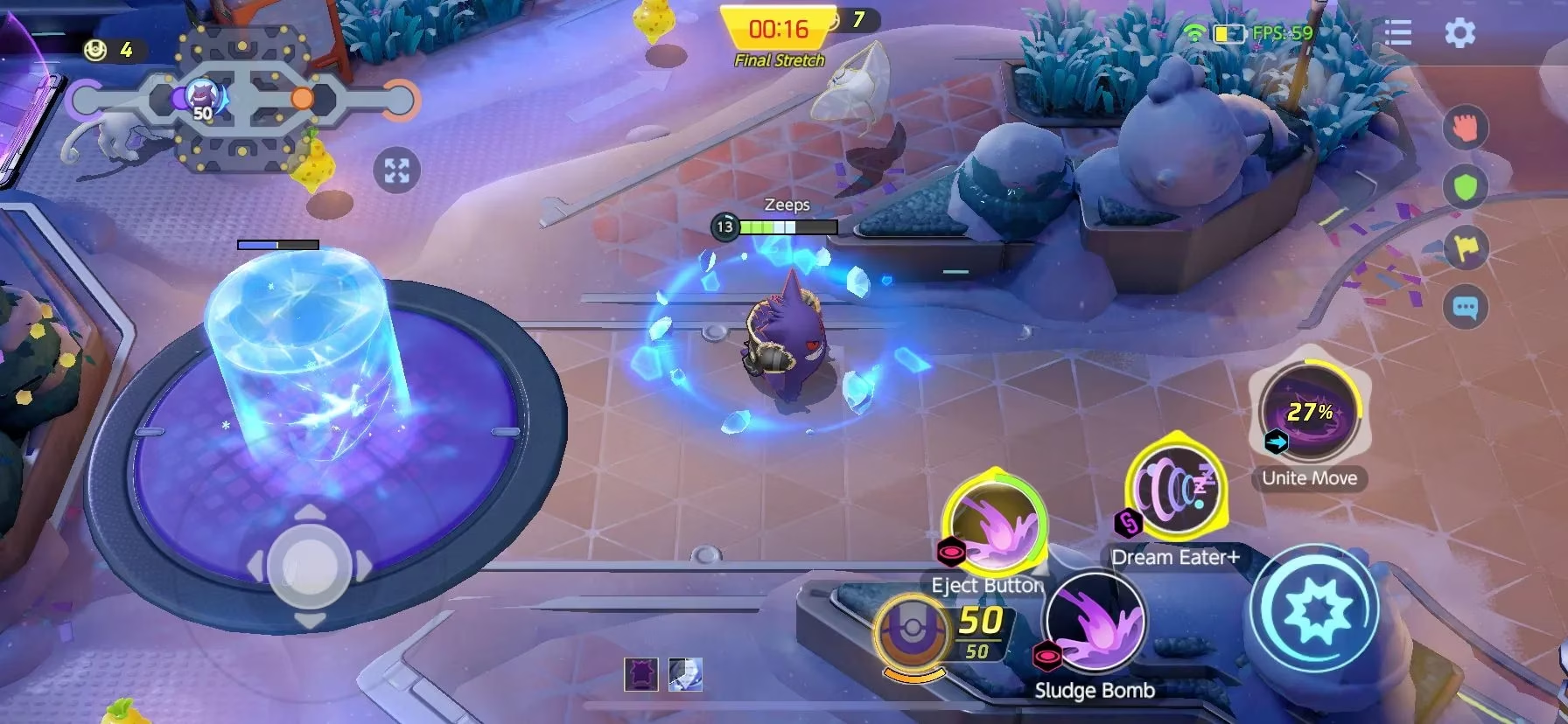
Below a player's Aeos Energy sits a unique meter that fills through combat with opposing players. Once full, it grants the ability to instantly score points at the enemy Goal Zone. The meter acts like a pressure cooker valve: a trainer can shake the pot by fighting, but only the right amount of steam unlocks the quick deposit. Ignoring it means carrying a full wallet through a brawl where every second matters.
Only one berry type appears on this map. Sitrus Berries restore 1500 HP and can be found along the Speed Flux Zones in the top and bottom paths. A well-timed berry grab in a skirmish works like a pocket reset button, though opponents often contest the same glowing snack.
| Berry Type | Boost Provided | Location |
|---|---|---|
| Sitrus Berry | +1500 HP | Along Speed Flux Zones in the top and bottom paths |
Wild Pokemon And The Avalugg Boss
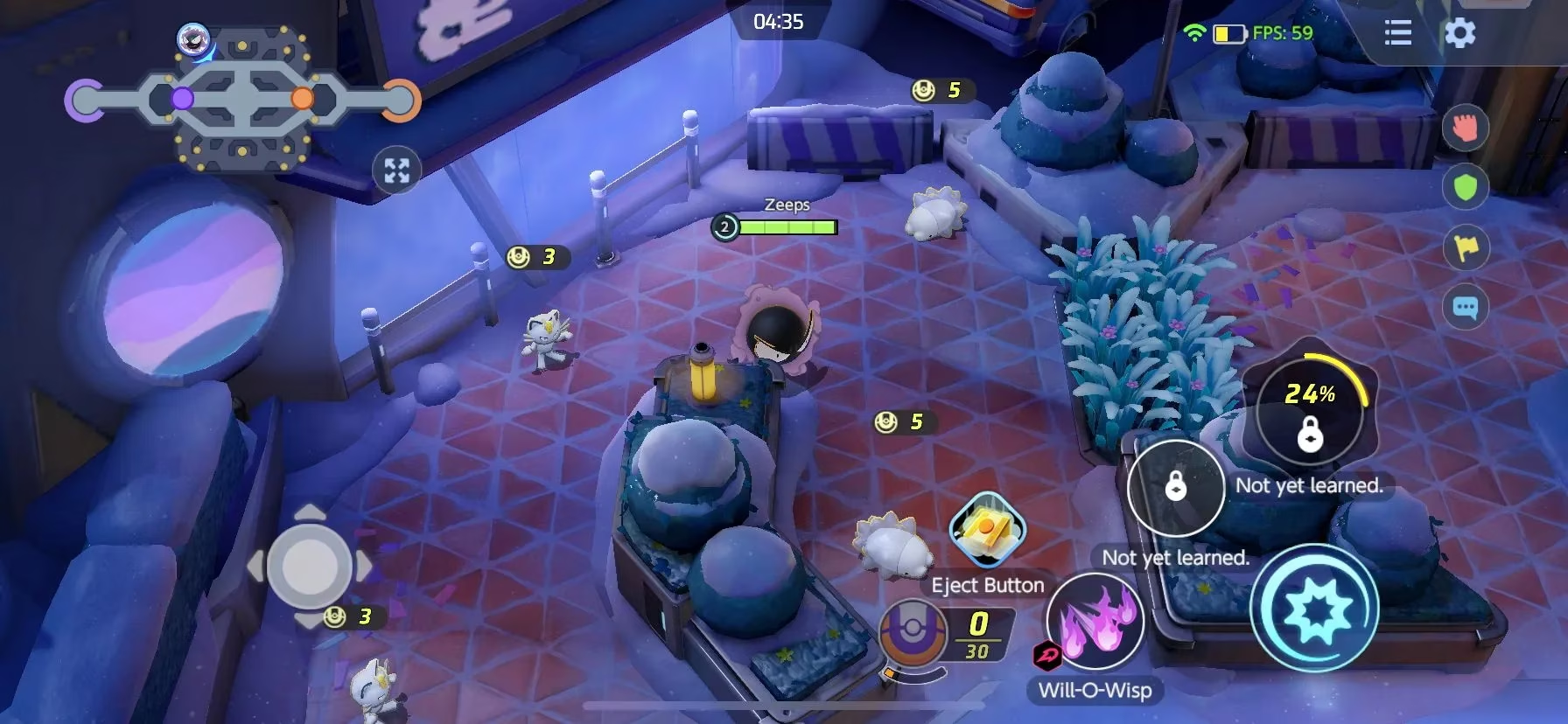
Shivre City keeps its wild Pokemon list short. Alolan Meowth appears early and evolves into Alolan Persian during the final minute. Electrode provides burst-oriented XP and energy, while Snom evolves into Frosmoth near the end. Teams should treat these spawns as a shared grocery list: farm them quickly and deny opponents the chance to shop.
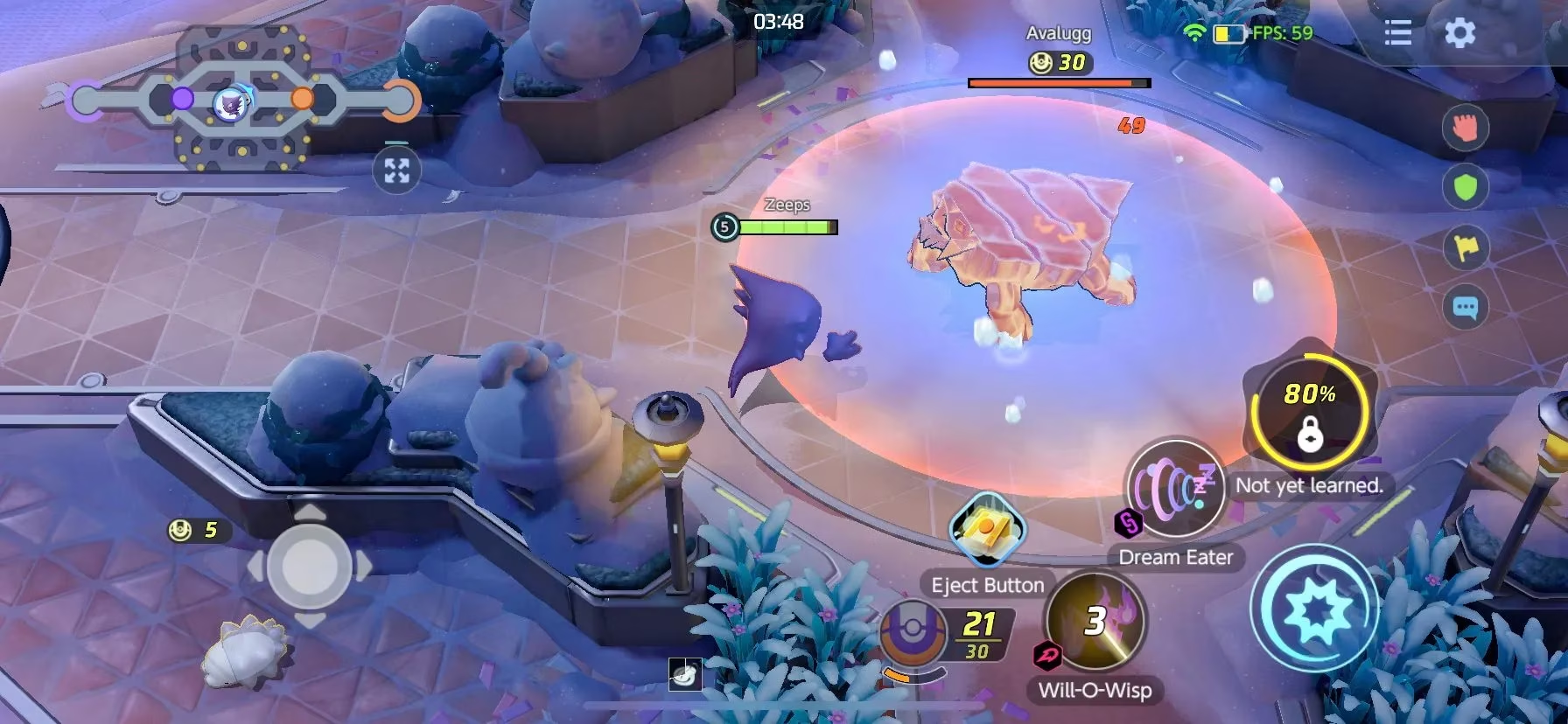
The main event is Avalugg, the map's only Boss Pokemon. It spawns at the center of the arena at the 4:00 mark and respawns about a minute after being defeated. A 30-second on-map countdown warns players before it appears. Securing Avalugg grants the team and their Goal Zones an Ice Shield that protects allies and damages nearby enemies, plus up to 65 points. In practice, Avalugg is less like a neutral objective and more like an avalanche that signed up for a bodybuilding competition: whoever controls it controls the next scoring window.
| Boss Pokemon | Bonus Given For Defeat | Spawn Time | Location |
|---|---|---|---|
| Avalugg | Ice Shields for the team and Goal Zones, plus up to 65 points | 4:00, then respawns after about a minute | Center of the arena |
How To Win: A Practical Shivre City Gameplan
The map's small size punishes overly complicated plans. The following rhythm produces consistent results.
-
Start with a 2-2 split. Send two players to the top path and two to the bottom path. The central area matters, but early experience comes from the side spawns.
-
Farm as a pair. Clear Alolan Meowth, Electrode, and Snom quickly to gain levels. If possible, invade the opponent's side spawns to starve them of XP and energy.
-
Check the scoring meter before every push. Once a Pokemon holds maximum Aeos Energy, a full meter makes an instant score nearly free. If the meter is not full, fight nearby opponents first to build it before approaching the goal.
-
Group for Avalugg in the 3:30-to-4:00 collapse window. Move toward the center a few seconds before the countdown ends, but do not start hitting the boss immediately. First, scan the brush and flank routes to make sure the enemy team is not lying in wait.
-
Secure Avalugg only when uncontested. Taking the boss while all four opponents are healthy and nearby is a recipe for a stolen objective and a lost teamfight.
-
Push immediately after the kill. The Ice Shield allows the team to march into the enemy Goal Zone, soak damage, and score maximum points while the home goal remains protected.
Final Thoughts
Shivre City rewards teams that treat chaos as a resource. Players who split early, farm the side paths, feed the scoring meter, and treat Avalugg as a protected convoy usually snowball the match before the final minute arrives. Those who ignore the small map's unique mechanics often discover that being aggressive without a plan in Shivre City is like running downhill on an icy sidewalk: momentum is easy, stopping is not.